An official website of the State of Georgia.
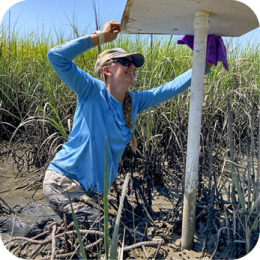
 Throughout 2017, join us in celebrating the ways Georgia plays in—and depends on—water. From paddling under Spanish moss to slogging knee-deep during an ecology class, you'll have fun getting wet in the Peach State's lakes, rivers and marshes. Each year we pick a theme for many of our ranger-led events. This year, look for events tagged with a water drop.
Paddling
New or experienced, there is something for everyone who wants to explore Georgia's waterways. Stand-up paddleboards, kayaks, aquacycles and more are available to rent. If you're feeling up for a challenge, join our Park Paddlers Club to traverse 22 total miles and earn a bragging rights t-shirt. Guided paddles are offered at some parks to make sure you're able to get the most out of your experience. What are you waiting for? Mountain lakes, ocean coasts, whitewater and blackwater are ready for your next adventure!
Swimming
Cooling off at a Georgia state park is as easy as can be. Many parks offer lakeside beaches that are included in the cost of your $5 parking fee. Find a pool, splash pad or a sliding rock to up your maximum amount of fun.
Fishing
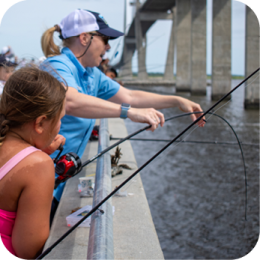
Ready to hook the big one? We've got you covered! From reservoirs, warm water streams and rivers, to lakes of all sizes and saltwater fishing, the abundant waters found in Georgia State Parks truly are an angler’s paradise.
Boating
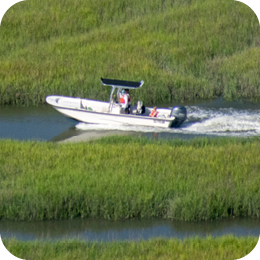
Boat lovers can think of Georgia State Parks as their second vacation home. We offer boat ramps, docks, rentals and marinas. Some campgrounds and cabins even have adjacent docks. Water skiing, sailing and personal watercraft are permitted on large lakes; however, some parks on smaller lakes have horsepower restrictions to preserve the tranquil setting and wildlife.