An official website of the State of Georgia.
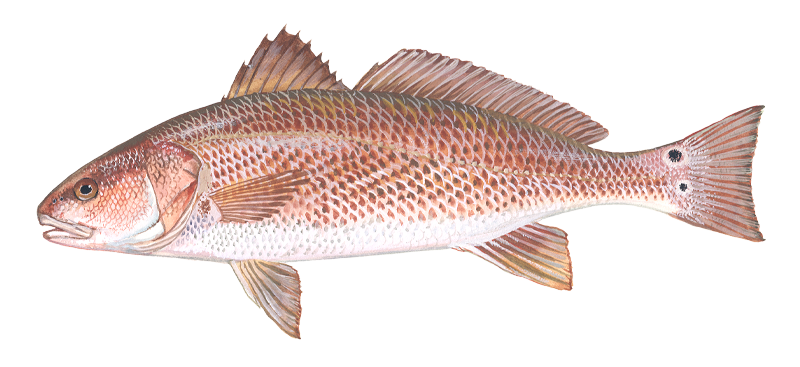
Georgia Department of Natural Resources Coastal Resources Division (CRD) will host two Town Hall meetings to discuss changes to recreational Red Drum (Sciaenops ocellatus) fishing regulations in Georgia.
The meetings will take place:
- Wednesday, Feb. 25, 2026, at 6 p.m. (in-person or virtually)
College of Coastal Georgia - Stembler Theatre (Visit link in address below for "pin" to see exact location on campus)
One College Drive, Brunswick, GA 31520
(information for virtual option will be available at CoastalGaDNR.org/RedDrum)
- Thursday, Feb. 26, 2026, at 6 p.m. (in-person)
Richmond Hill City Center
520 Cedar St., Richmond Hill, GA 31324
The purpose of the Town Halls is to inform the public about upcoming changes to Red Drum recreational fishing regulations and to explain why those changes are necessary. CRD staff will provide a presentation outlining the latest stock assessment, the regulatory process moving forward, and several management options aimed at achieving long-term sustainability of the species. Attendees will be asked to participate in a survey to gauge opinion about various management options. Following the Town Hall meetings, the public can also access and participate in the survey which will be available at CoastalGaDNR.org/RedDrum.
Why Changes Are Needed
The most recent Red Drum stock assessment conducted by the Atlantic States Marine Fisheries Commission (ASMFC) found that the southern stock — which includes Georgia, South Carolina and Florida — is both overfished and experiencing overfishing.
This means there are not enough adult fish in the population to reproduce at healthy levels, and fishing pressure remains too high.
Key findings from the 2024 assessment include:
- The spawning stock biomass is below sustainable levels.
- Fishing mortality exceeds acceptable thresholds.
- The spawning potential ratio (SPR) — a key measure of population health — is below the 30 percent threshold and well under the 40 percent target, signaling the stock is under stress.
- Juvenile recruitment has declined since the 2000s, possibly due to environmental changes and ecological challenges.
- Discard mortality and harvest removals are contributing to the decline.
In short, scientists have determined that the southern Red Drum population needs rebuilding to remain viable for future generations.
What Could Change
To address the findings, ASMFC adopted Addendum II to the Red Drum Fishery Management Plan, which requires states to reduce fishing pressure. Georgia’s current regulations allow anglers to keep five Red Drum per person per day between 14 and 23 inches in length.
Potential management changes include:
- Reducing the daily bag limit
- Modifying the slot size to allow more fish to reach reproductive size
- Other conservation measures designed to increase spawning success
Florida has already implemented regulatory changes that appear to have reduced catches. Georgia and South Carolina have had more stable removals to date, but changes are necessary to comply with the interstate management plan.
Public Participation Encouraged
CRD encourages anglers, fishing guides, and all interested stakeholders to attend one of the Town Hall meetings to learn more about the science behind the assessment, the regulatory process, and how potential changes could affect recreational fishing in Georgia.
“These meetings are about transparency and education,” said CRD Director Doug Haymans, who represents the State of Georgia as the vice chair of the ASMFC. “We want the public to understand what the science is telling us and what options are on the table to ensure red drum remain a healthy and sustainable fishery in Georgia.”
Both meetings are free and open to the public.
For more information, visit CoastalGaDNR.org/RedDrum.
About the Coastal Resources Division
The mission of the Coastal Resources Division is to balance coastal development and protection of the coast's natural assets, socio-cultural heritage and recreational resources for the benefit of present and future generations.
Media Contact
Tyler Jones
Public Information Officer
Coastal Resources Division
Georgia Department of Natural Resources
tyler.jones@dnr.ga.gov
912-230-9709